
(General information only – this blog is for education, not medical advice. Always follow NHS and NICE guidance and speak with a healthcare professional if you have concerns about your vitamin D status.)
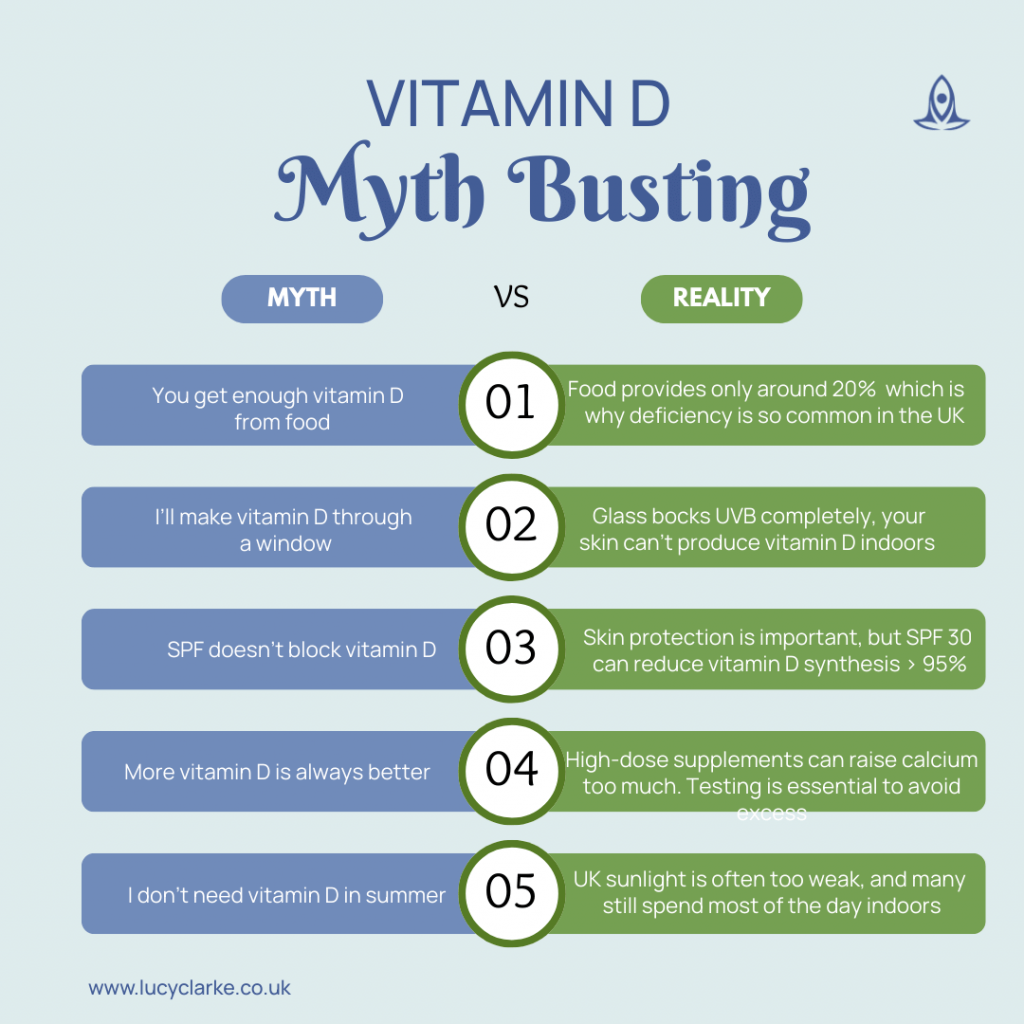
Did you know that only around 20% of our vitamin D is meant to come from food, while the remaining 80% is designed to be made in our skin from sunlight? Modern life has flipped that ratio completely – we spend most of our time indoors, wear SPF, and eat far fewer vitamin D rich foods than previous generations.
This single fact helps explain why vitamin D deficiency in the UK is so widespread – not because people are doing anything wrong, but because our biology hasn’t caught up with our lifestyle.
Think about your average weekday: how much time do you actually spend in direct sunlight – without glass, sunscreen, or clothing blocking UVB? Most of us move from home to car to work without ever giving our skin a chance to make vitamin D.
Short on time? Skip ahead to Vitamin D Myth Busting , Vitamin D FAQ or Key Takeaways
Vitamin D Is Essential for Mood, Immunity and Hormone Health
Vitamin D is one of those nutrients that seems to appear everywhere – in conversations about immunity, mood, hormones, sleep, inflammation, and bone health. It’s involved in so many processes in the body. Yet despite its importance, vitamin D deficiency is astonishingly common, even among people who eat well, take supplements, or spend time outdoors. Clients often describe a sense of “running on empty” or feeling inexplicably flat, and vitamin D is frequently part of that picture.
And here’s the part most people don’t realise: vitamin D isn’t actually a vitamin.
It’s a hormone precursor – a substance your body converts into a hormone that influences the expression of over a thousand genes. When you understand vitamin D through this lens, many things suddenly make sense: why deficiency affects so many systems, why symptoms can be vague or wide ranging, and why “normal” blood levels don’t always translate into optimal health. This helps explain why two people with the same blood level may feel very different. Also, the reason some people feel the effects of low vitamin D long before they ever see a number on a blood test.
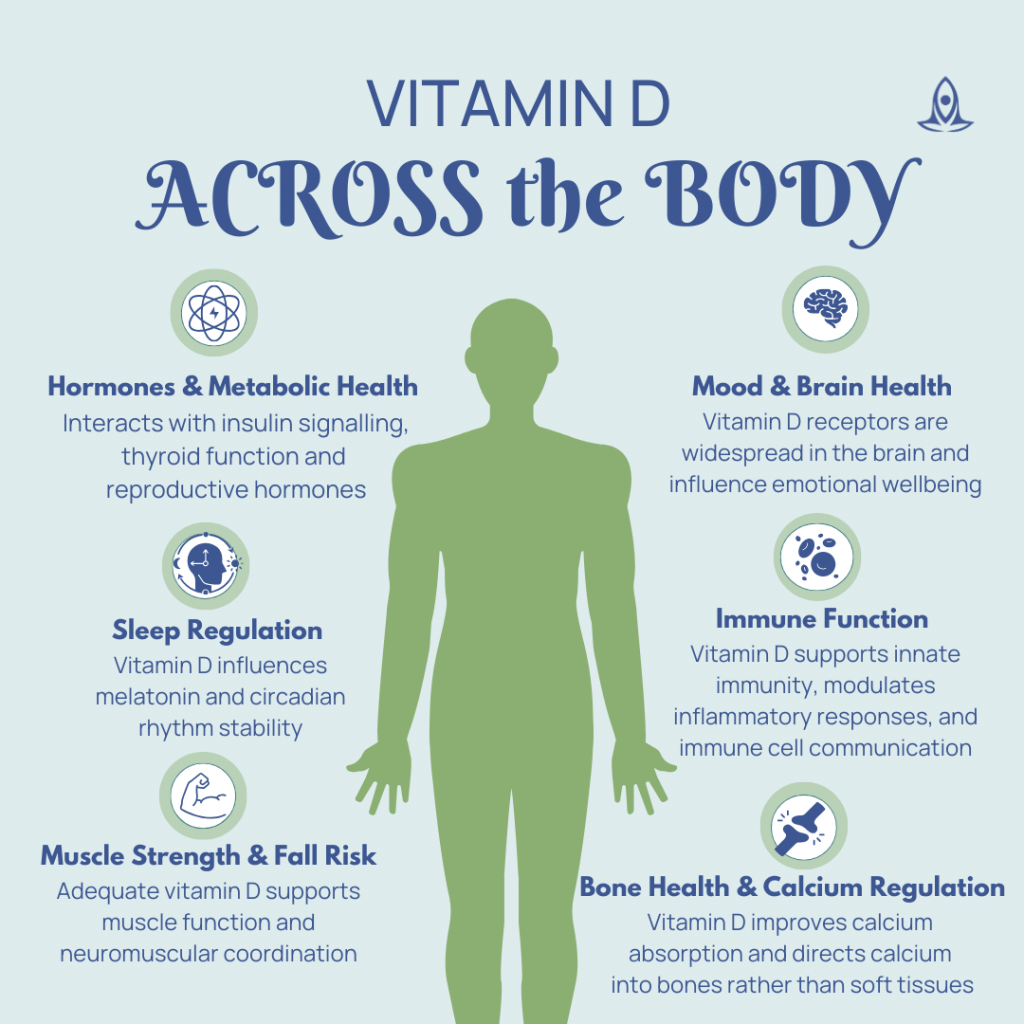
Vitamin D’s influence is extensive because its receptors are found in almost every tissue. This is why deficiency can feel so “global” – it touches many systems at once.
What Vitamin D Actually Is (and Why That Matters)
So, let’s look at what Vitamin D actually is – I have said it is a hormone precursor AND gets converted into an active hormone – so which is it? Well, Vitamin D is both – but at different stages.
Stage 1. Vitamin D (from sunlight, food, or supplements) is a hormone precursor.
The form you take in or make in your skin (cholecalciferol, or D3) is inactive. Your body must convert it in the liver and kidneys before it can do anything meaningful.
Stage 2. The fully activated form – calcitriol – is a hormone.
Once converted, calcitriol behaves like a true hormone:
• it binds to receptors throughout the body
• it influences gene expression
• it regulates calcium, immunity, mood, sleep, and more
Vitamin D is a hormone precursor that your body converts into an active hormone.
When sunlight hits your skin, it triggers a cascade that eventually produces calcitriol, the active form of vitamin D. This hormone binds to vitamin D receptors (VDRs), which are found throughout the body – in the brain, immune cells, muscles, bones, gut, and reproductive tissues. It’s almost like your body has tiny “vitamin D antennae” everywhere, constantly listening for its signal.
Through these receptors, vitamin D helps to:
• Regulate calcium balance
• Modulate inflammation
• Influence neurotransmitters such as serotonin
• Support immune communication
• Affect metabolic and hormonal signalling
This is why vitamin D deficiency rarely presents as just one symptom. Most people don’t come in saying “I think I have low vitamin D.” They come in saying “I’m tired,” “I’m low,” “I’m achy,” or “I keep getting sick.”
So, by understanding vitamin D as a hormone precursor helps explain why low vitamin D symptoms include:
• Low mood or seasonal affective symptoms
• Fatigue or low energy
• Poor or fragmented sleep
• Frequent infections
• Muscle aches or weakness
• Brain fog
• Hormonal irregularities
That is why when clients describe a cluster of seemingly unrelated issues – low mood, poor sleep, aches, fatigue – and vitamin D is one of the first things I think is worth exploring.
Vitamin D and Exposure to Sunlight

As I said, direct sunlight on exposed skin is necessary for helping your body create vitamin D. With enough bare skin and the right conditions, sunlight can support the body in producing significant amounts of vitamin D in a relatively short period – often far more than you’d get from a standard supplement of 1,000–2,000 IU. This natural production varies depending on factors like latitude, season, skin tone, and how much skin is exposed.
For people who struggle to absorb vitamin D from supplements – whether due to poor gut health or genetic traits that influence how vitamin D is processed – understanding the value of sunlight can feel particularly relevant. Sunlight offers a direct, natural route for vitamin D synthesis, which can be especially helpful when the body isn’t making the most of supplemental forms.
Vitamin D Deficiency in UK – Even in the Summer
Living in the UK puts us at a disadvantage when it comes to vitamin D synthesis. Above roughly 37° latitude, the sun simply isn’t strong enough for meaningful vitamin D production for much of the year. In Scotland and northern regions, this window is even narrower. Even in summer, the weather, clothing, and daily routines often limit meaningful exposure.
In the UK winter, the sun sits so low in the sky that even on a bright day, UVB simply can’t reach your skin.
But latitude is only part of the picture.
The DMinder is a useful app that can help you estimate how much vitamin D you’re likely to make from sunlight based on your location, skin tone, and time outdoors – you can find out more here: https://dminder.ontometrics.com/
Vitamin D, Sunlight, and Your Circadian Rhythm

However, direct sunlight does more than trigger vitamin D production – it’s a powerful circadian regulator. This is one of the reasons I encourage clients to get outside early in the day whenever possible. Even a few minutes of natural light can help anchor the body’s internal clock.
Morning light exposure helps synchronise your internal clock, supporting:
• Melatonin production at night
• Sleep quality and duration
• Mood regulation
• Hormonal balance
• Daytime energy levels
Vitamin D Resistance: Why Supplements Don’t Always “Work”
However, even with good supplementation habits, some people see minimal improvement in blood levels or symptoms. This phenomenon is sometimes called vitamin D resistance. This is often the moment someone says, “But I’m already taking vitamin D – why don’t I feel any different?”
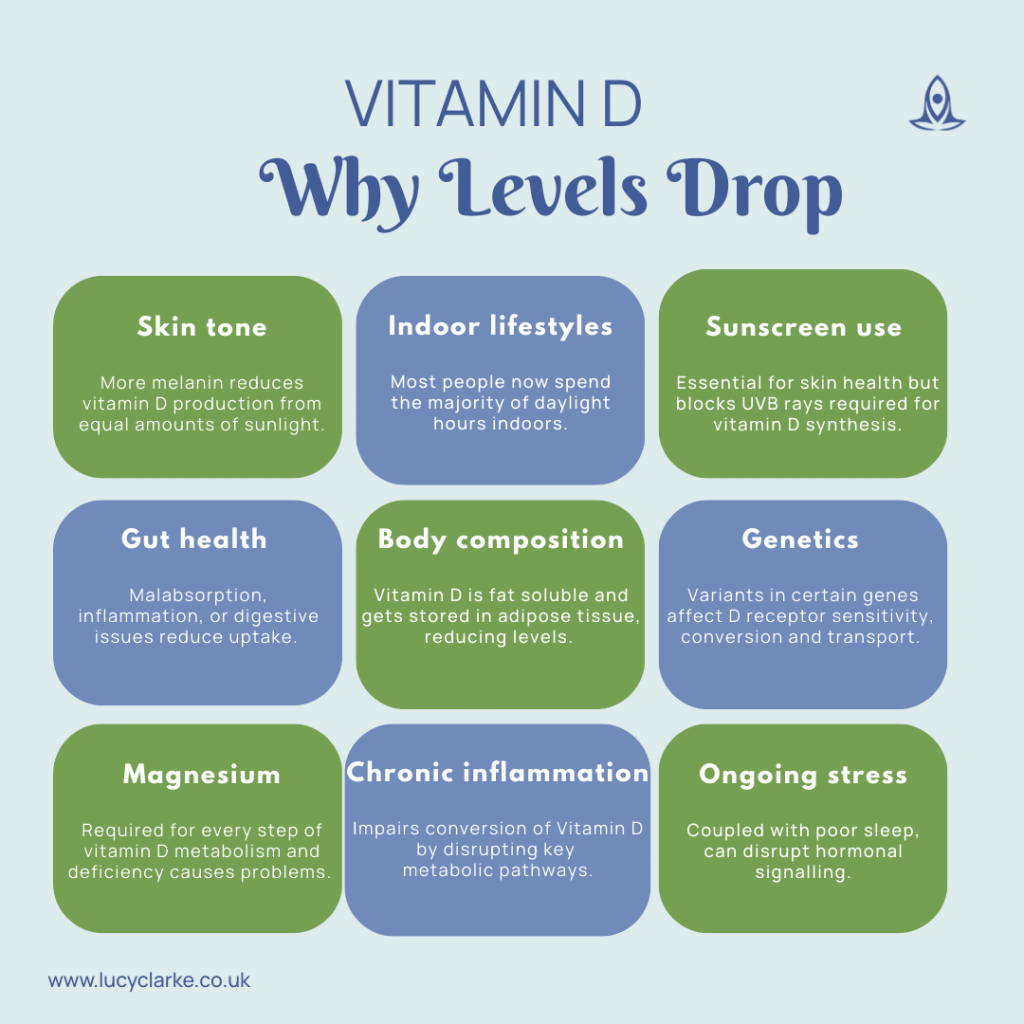
Vitamin D deficiency is influenced by a combination of modern lifestyle, biology, and nutrient interactions. These range from:
D2 vs D3: What’s the Difference?
When people talk about “vitamin D,” they’re often surprised to learn that there isn’t just one form. In reality, there are two main types used in food fortification and supplements: vitamin D2 (ergocalciferol) and vitamin D3 (cholecalciferol). They both contribute to raising vitamin D levels, but they’re not identical in how the body handles them.
Vitamin D2 must be converted into D3 before the body can use it in the same way it uses naturally produced vitamin D. This extra step partly explains why D2 tends to be less effective at raising and maintaining blood levels. D3 is the form your body makes when sunlight hits your skin, so it’s already in the “right shape” for your system to recognise and use.
Vitamin D2 (ergocalciferol)
• Found in mushrooms and fortified foods
• Less effective at raising blood levels
• Shorter half-life
Vitamin D3 (cholecalciferol)
• Found in oily fish, eggs, and supplements
• More effective at raising and maintaining 25(OH)D
• Preferred for supplementation
Do you know that wild fish used to contain over ten times more vitamin D than most farmed fish today.

The Vitamin D and Magnesium Connection
Vitamin D relies heavily on magnesium to do its job. Magnesium is needed at every step of vitamin D metabolism — from converting it into its storage form in the liver to activating it into the hormone form your cells actually use. When magnesium is low, these enzymes can’t work efficiently, which means vitamin D may not be activated properly even if your blood levels look fine on paper.
This is also why some people feel unsettled, tense, or “wired” when they take vitamin D on its own: the body suddenly has a higher demand for magnesium that it can’t meet. Magnesium also helps regulate calcium balance, which becomes especially important when vitamin D increases calcium absorption. Together, they form a partnership that works best when both nutrients are supported, rather than vitamin D being taken in isolation.
The Role of Other Fat-Soluble Vitamins
As I have said, vitamin D doesn’t work alone. It also relies on other fat-soluble vitamins – particularly vitamins A and K2 – to do its job properly.
Vitamin A helps the vitamin D receptor function correctly. Think of it as helping the receptor “read” and respond to vitamin D’s instructions inside the cell. Without enough vitamin A, those signals may not be carried out as effectively.
Vitamin K2 plays a different but equally important role. Once vitamin D increases calcium absorption, K2 helps direct that calcium into the bones and teeth – where we want it – rather than allowing it to accumulate in soft tissues.
If vitamin A or K2 levels are low, supplementing vitamin D may not have the desired effect. This is one of the most overlooked pieces of the puzzle: vitamin D is powerful, but it performs best as part of a team.
Looking Beyond the Vitamin D Number
Many functional and progressive nutrition practitioners view vitamin D levels through a wider lens. Rather than focusing solely on whether a result is “low,” they ask a more important question: why might it be low in the first place?
From this perspective, low vitamin D is often seen as a downstream sign of deeper imbalances – such as low magnesium, insufficient vitamin A or K2, poor mineral status, chronic inflammation, or genetic differences that affect how vitamin D is converted and used in the body.
This broader approach recognises that supplementing vitamin D in isolation may sometimes overlook the root cause. Supporting the body’s mineral system – particularly magnesium – and addressing overall nutrient balance can improve how vitamin D is metabolised and utilised. It also helps explain why some people don’t feel better even when their blood levels increase, highlighting the value of a personalised, whole-system approach.
Genetic Factors That Influence Vitamin D
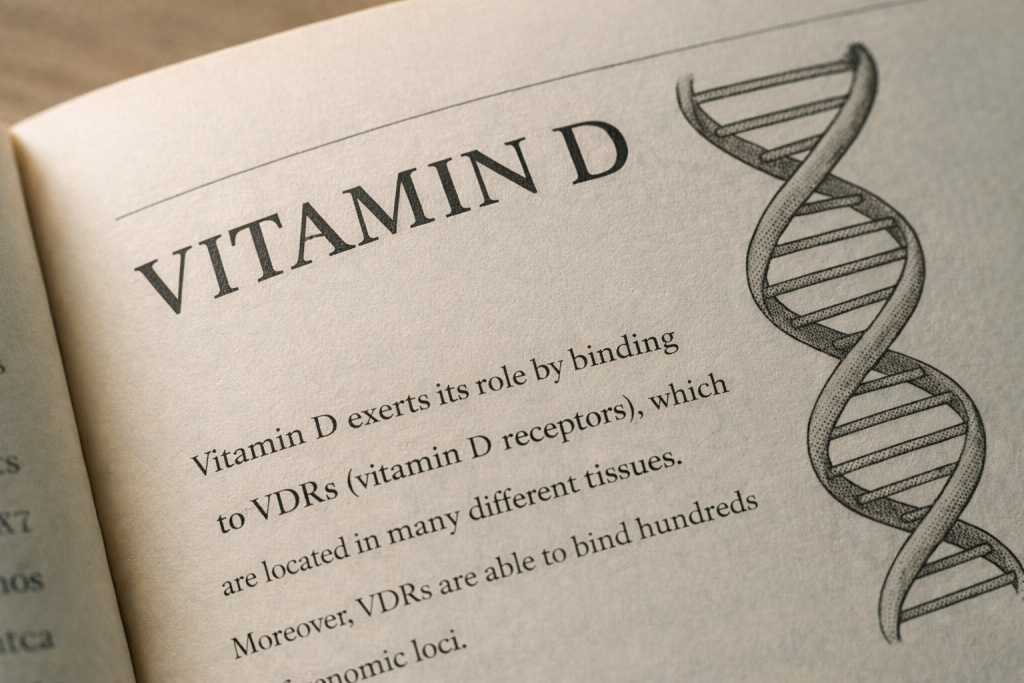
Genetic differences in vitamin D transport, activation, and receptor sensitivity can have a meaningful impact on how someone responds to supplementation. This helps explain why two people can take the same dose – or even have the same blood level, feel completely different.
Some individuals convert vitamin D more slowly, some transport it less efficiently, and others have receptors that are less responsive. In these cases, the body may need more support from cofactors such as magnesium, vitamin A, and vitamin K2 to achieve the same physiological effect. If you’d like to understand your own genetic traits for making and circulating vitamin D, you can explore this through my nutrigenomics service.
All of this reinforces why vitamin D should never be viewed in isolation. It sits within a wider metabolic, immune, mineral, and genetic network – and when levels don’t shift, it’s rarely solved by simply taking more. It’s about understanding the whole picture.
Vitamin D Testing in UK: Why It Matters
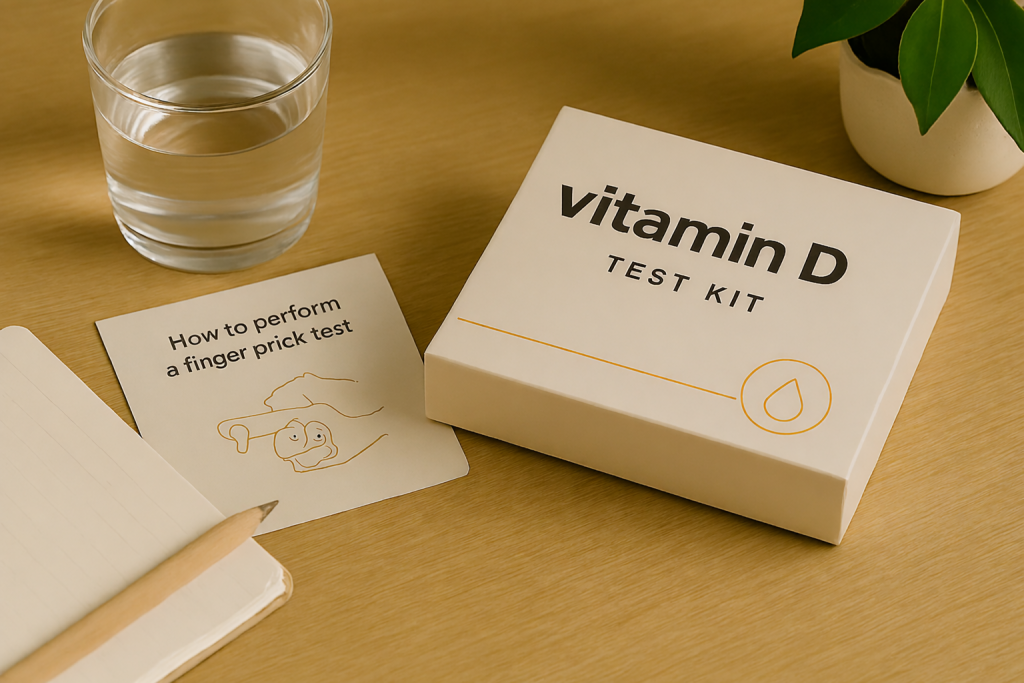
Vitamin D is not something to guess. Too little is a problem – and too much can be dangerous.
Testing provides clarity on:
• Whether you’re deficient or suboptimal
• Whether your symptoms may be linked
• How much supplementation you actually need
• Seasonal fluctuations
In the UK, private testing is available through NHS laboratories: https://www.vitamindtest.org.uk
NHS vs Functional Ranges
For a guide to Clinical versus Optimal levels for blood levels of 25(OH)D Vitamin D, NICE state levels below 50 nmol/L as insufficient and <25 nmol/L are deficient. Whereas functional nutrition therapists prefer clients going into the winter months with levels of between 75-125 nmol/L.
Supplementation: What to Consider

Current NHS Guidelines recommend a daily intake of 400 IU (10 micrograms) of vitamin D for adults, particularly during autumn and winter when sunlight exposure is limited. This is considered a general maintenance dose to support bone and muscle health.
However, emerging research suggests that this amount may not be sufficient for everyone – especially those with limited sun exposure, absorption issues, or higher physiological needs. For a deeper look at why current recommendations may be too low.
So here is a checklist of things to consider –
• Choose D3 over D2
• If you have poor gut health, consider liquid and oral spray supplements
• Pair with Magnesium
• Also consider vitamin K2 and vitamin A
• Adjust doses seasonally
• Retest every 3–6 months
Vitamin D Myth Busting
Important: Not Taking Too Much (Vitamin D Toxicity)
While vitamin D is essential, it’s also important not to assume that “more is better.” Taking significantly more than your body needs – especially over long periods – can lead to excessively high levels, which may raise calcium in the blood.
Symptoms of excess vitamin D may include:
• Nausea or vomiting
• Loss of appetite
• Increased thirst and frequent urination
• Weakness, fatigue, or muscle pain
• Confusion or mental changes
Toxicity from sunlight or food is extremely rare, but consistently taking high dose supplements without checking your levels can increase the risk.
This is why testing is so important. A simple blood test gives you a clear picture of where you are now and helps you tailor your intake rather than guessing.
Download my Guide Bloods Made Easy to find out about how I can test your Vitamin D levels, and work with you to optimise your results.
Vitamin D FAQ
How much vitamin D should I take in the UK?
This varies from person to person and depends on factors like your blood levels, body composition, season, genetics, and mineral status. Testing is the best way to understand what you need rather than relying on a generic dose.
How long does it take to raise vitamin D levels?
Most people see changes within 8-12 weeks, although this can vary depending on absorption, cofactors like magnesium, and how low levels were to begin with.
Can I take vitamin D at night?
Some people find vitamin D energising, so many prefer taking it earlier in the day. Others notice no difference – it’s very individual.
Why doesn’t vitamin D supplementation work for me?
There are several possible reasons, including low magnesium, vitamin A or K status, inflammation, gut health, genetics, and receptor sensitivity. These all influence how well your body activates and uses vitamin D.
Is vitamin D safe long term?
Vitamin D is generally considered safe when taken at appropriate levels and monitored through testing. This helps ensure you stay within a healthy range.
Can I get enough vitamin D from food?
Food contributes small amounts, but it’s difficult to reach optimal levels through diet alone. Sunlight and supplementation tend to play a much larger role, especially in the UK.
Do I need to test my vitamin D levels?
Testing isn’t mandatory, but it’s the most reliable way to understand your status and know your personal level.
Key Takeaways
Vitamin D is a hormone precursor with wide ranging effects
It influences over a thousand genes and impacts mood, immunity, sleep, hormones, and metabolic health.
Get outside more often – Step outside in the morning. Early daylight starts making vitamin D; and it anchors your circadian rhythm, supporting better sleep and energy levels.
Genetics and cofactors shape how well your body uses vitamin D
Differences in genetics explain variations in Vitamin D levels and responses to diet, lifestyle and supplement support.
Remember the Cofactors
Magnesium, vitamin A, and vitamin K2 are all essential cofactors to supporting Vitamin D levels.
Testing removes guesswork and keeps supplementation safe
Both deficiency and excess can cause problems. It is important to test your levels regularly.
NEXT STEPS
If you’d like support with your vitamin D status, here are two simple ways to begin:
- Contact me to discuss your vitamin D levels and supplementation needs
Whether you’re unsure about symptoms, confused by conflicting advice, or curious about cofactors like magnesium, I can help you understand what might be going on and what to consider next. - Book a free 15 minute Mini Consultation
A short, focused call where we look at your situation, discuss testing options, and explore whether a personalised approach would benefit you.
References & Further Reading
- Papadimitriou, D. (2017). The Big Vitamin D Mistake. Journal of Preventive Medicine & Public Health. https://doi.org/10.3961/jpmph.16.111 (Used for the 20% food / 80% sunlight stat and context.)
- Abboud, M. (2022). Vitamin D and Sleep: Systematic Review & Meta Analysis. Nutrients. https://doi.org/10.3390/nu14051076 (Used in the circadian rhythm and sleep section.)
- Tripkovic, L. et al. (2012). Comparison of Vitamin D2 vs D3 Supplementation. American Journal of Clinical Nutrition. https://doi.org/10.3945/ajcn.111.031070 (Used in the D2 vs D3 section.)
- DMinder App. Tool for estimating vitamin D synthesis from sunlight. https://www.dminder.info (Referenced in the personalisation section.)
- The Root Cause Protocol. Information on mineral balance and magnesium’s role in vitamin D metabolism. https://therootcauseprotocol.com (Referenced in the magnesium and mineral balance discussion.)
- NHS Vitamin D Guidance. https://www.nhs.uk/conditions/vitamins-and-minerals/vitamin-d/ (General UK guidance on deficiency and supplementation.)
- NICE Clinical Knowledge Summary: Vitamin D Deficiency in Adults. https://cks.nice.org.uk/topics/vitamin-d-deficiency-in-adults/ (Used for safety, testing, and monitoring context.)
- NHS Laboratory Vitamin D Testing Service. https://www.vitamindtest.org.uk (Referenced in the testing section.)
- Bouillon, R., Marcocci, C., Carmeliet, G. et al. (2023) ‘Vitamin D and its role in health and disease’, Genes, 14(9), p.1691. https://www.mdpi.com/2073-4425/14/9/1691