
(General information only – this blog is for education, not medical advice. Always follow NHS and NICE guidance and speak with a healthcare professional if you have concerns about your vitamin D status.)
Ever been to your GP, had bloods taken, and spotted the letters TATT on your results? It stands for Tired All The Time, and it’s more common than you might think. According to the Royal College of Psychiatrists, one in five people feel unusually tired at any given time, and one in ten experience prolonged fatigue. That’s a huge number of people struggling with low energy, exhaustion, brain fog, and the sense that something just isn’t right.
If you feel like you’re dragging yourself through the day, needing caffeine to function, or collapsing on the sofa in the evening with nothing left to give, you’re not alone-and you’re not imagining it.
As both a functional nutrition therapist and an acupuncturist, I see fatigue from two complementary angles: the biochemical and the energetic. When someone tells me they’re tired all the time, we don’t just ask, “How many hours are you sleeping?” I want to find out, “What is your body trying to tell us?”
This blog will walk you through the most common reasons for feeling tired all the time, how acupuncture and nutrition can support you, and when it’s important to speak to your GP.
What does “Tired All The Time” actually mean?
“Tired all the time” isn’t a diagnosis-it’s a symptom. It can be:
- Physical tiredness (heavy limbs, low stamina)
- Mental fatigue (brain fog, poor concentration)
- Emotional exhaustion (feeling flat, overwhelmed, or unmotivated)
Sometimes it’s all three.
In conventional medicine, TATT is often a starting point for investigation: your GP might check for anaemia, thyroid issues, infections, or other underlying conditions. That’s important and should never be skipped. But many people are told, “Your blood tests are normal,” and still feel utterly exhausted.
This is where a functional approach-looking at patterns, lifestyle, nutrition, hormones, stress, and sleep-can be incredibly powerful.
Short on Time? Jump ahead to the following sections –
Rebuilding Energy from the Ground Up
Fatigue is rarely caused by just one thing. In clinic, we often see overlapping contributors — from disrupted sleep to hormonal shifts, nutrient gaps, and nervous system strain. To help clients visualise this, I use a layered energy pyramid that shows how we rebuild energy from the ground up.
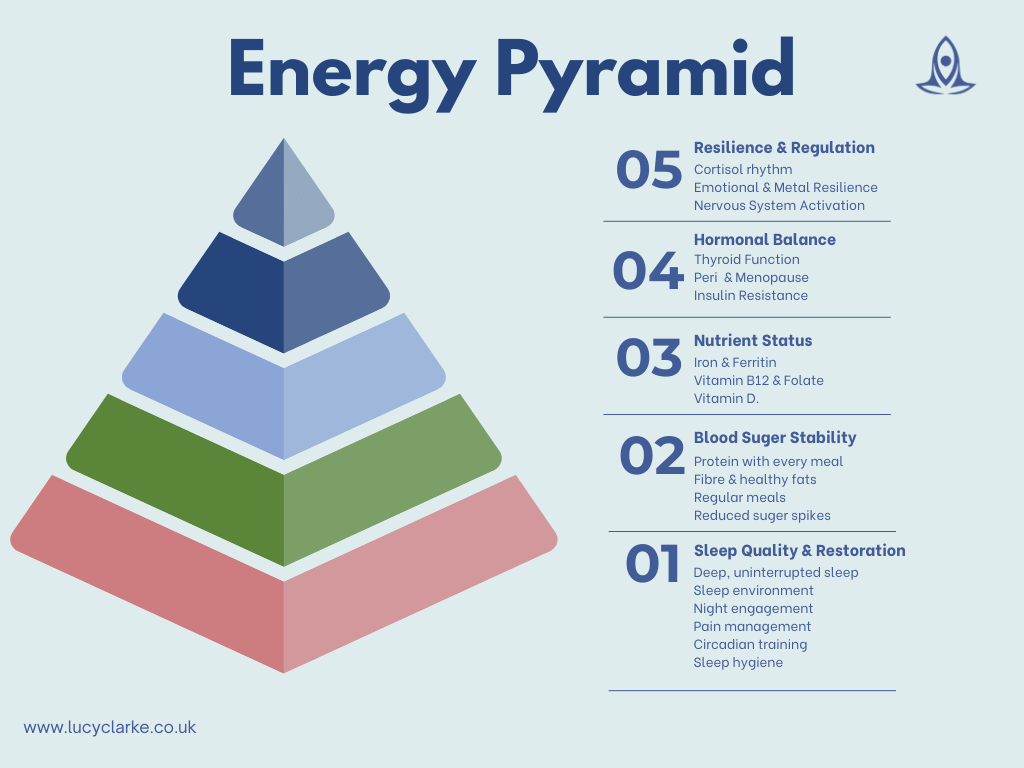
Starting at the base, we prioritise sleep quality and restoration — not just hours in bed, but deep, uninterrupted sleep that allows for true repair. This includes reducing ‘Night Engagement’ which describes the pattern where the brain and nervous system become more active at night instead of winding down.
From there, we build upward through stabilising blood sugar, restoring nutrient status, supporting hormonal balance, and finally, cultivating stress resilience. Each layer supports the next, and skipping foundational steps often leads to short-lived gains.
Poor Sleep Quality: A Common Cause of Fatigue

Before we dive into complex testing, we start with something simple but often overlooked: sleep.
Are you actually getting enough sleep?
You might be in bed for eight hours, but that doesn’t mean you’re getting restorative sleep. When I talk to clients about their sleep, we explore:
- Pain: Are you being woken by back pain, joint pain, headaches, or discomfort?
- Children: Are little feet padding into your room at 2am and 4am?
- Perimenopause and menopause: Are hot flushes or night sweats waking you repeatedly?
- Stress: Do you wake at 3–4am with your mind racing, thinking about work, family, or finances?
- Needing the loo: Are you getting up once or more to wee in the night? This is common, but not necessarily “normal” when the body is in balance.
- Environment: Is your bedroom too bright, too noisy, too warm, or full of screens?
Many people assume poor sleep is just part of life-part of parenting, part of getting older, part of being busy. But if your sleep is fragmented, shallow, or restless, your body never gets the deep repair time it needs.

Why Waking at Night isn’t Something to Ignore
Night waking can be a clue to what’s going on under the surface:
- Cortisol spikes: If your stress hormones are high at night, you may wake suddenly and feel “wired but tired”.
- Blood sugar dips: If your blood sugar drops too low overnight, your body may release stress hormones to bring it back up, waking you in the process.
- Temperature dysregulation: Hormonal changes, especially in perimenopause and menopause, can cause night sweats and hot flushes.
- Bladder signalling: Waking to wee can be linked to hormones, blood sugar, or cardiovascular changes-not just “a small bladder”.
These patterns matter. They’re not just annoyances; they’re information about how your body is coping.
How Acupuncture can Help Reset Sleep and Stress
This is where acupuncture can work wonders and be really supportive. From a Western perspective, acupuncture has been shown to:
Reduce pain, making it easier to stay asleep
Support the parasympathetic nervous system (the “rest and digest” state)
Help regulate cortisol and stress responses
Improve sleep quality and reduce insomnia in some people
Reduce pain, making it easier to stay asleep
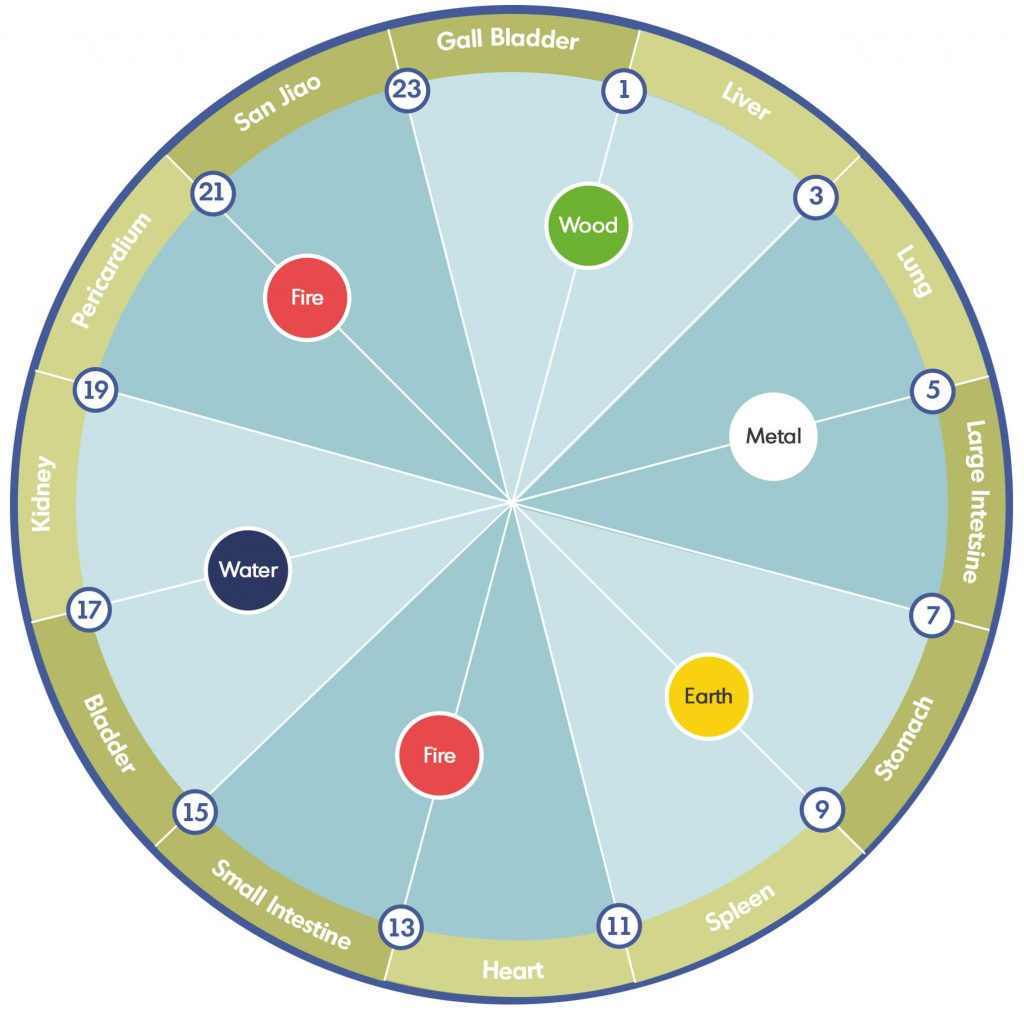
From a Traditional Chinese Medicine (TCM) perspective, we might talk about supporting Heart Shen (the mind/spirit), nourishing Blood and Yin, or calming an overactive Liver. In simple terms: we’re helping your system shift from survival mode into a more balanced, restorative state. By working with the Chinese Body Clock we can guide the body back into balance.
Why You’re Still Tired Even After Sleeping
If you’re getting decent sleep-or you’ve improved your sleep and still feel exhausted-then we look deeper.
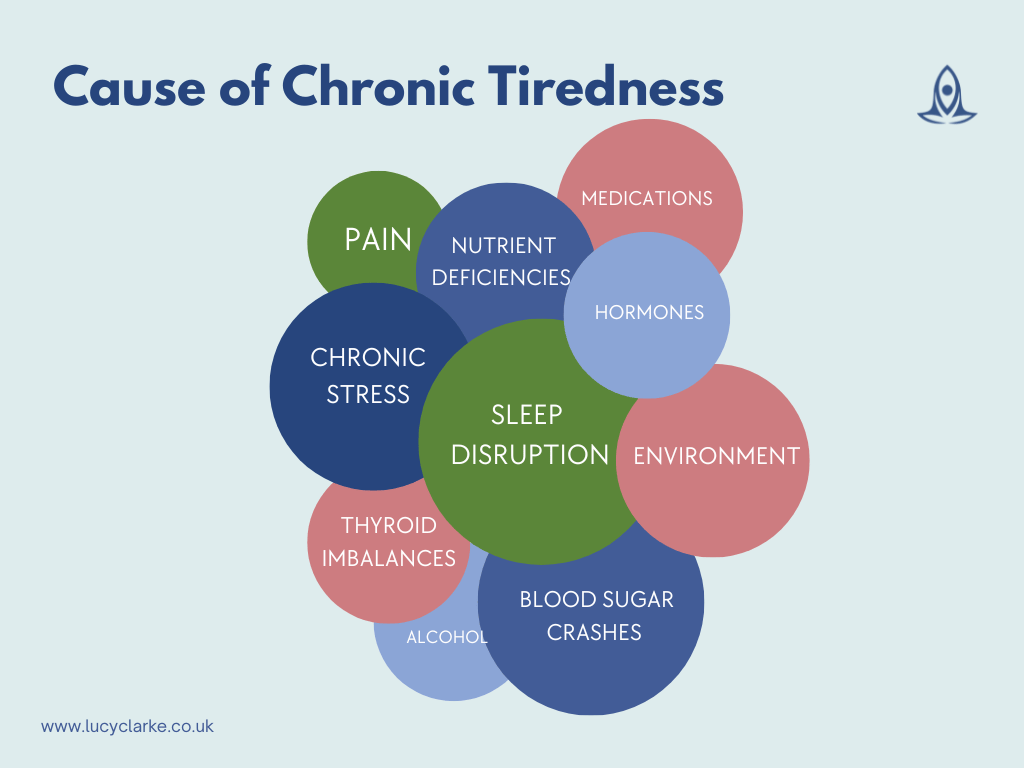
Nutrient deficiencies that can cause fatigue
Some of the most common nutrient-related causes of fatigue include:
- Iron deficiency or low ferritin: Can cause tiredness, breathlessness, palpitations, and hair loss.
- Vitamin B12 deficiency: Can lead to fatigue, pins and needles, memory issues, and low mood.
- Folate deficiency: Often linked with low energy and poor concentration.
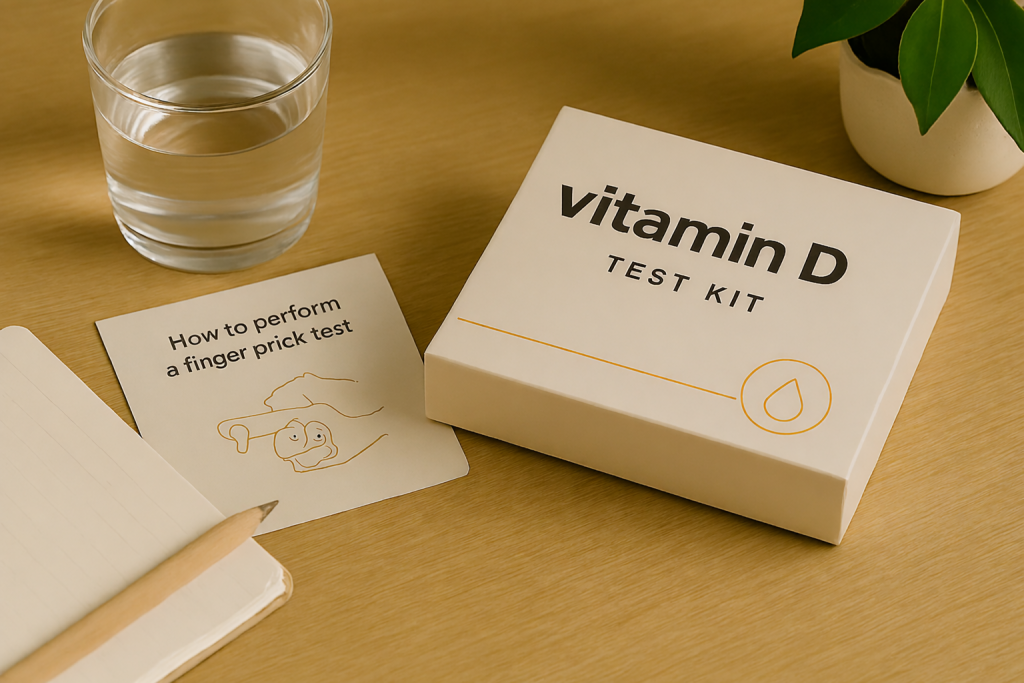
- Vitamin D deficiency: Can contribute to fatigue, low mood, and muscle weakness.
You can have levels that are technically “within range” but not optimal for you. This is where a functional lens is helpful-we’re not just asking, “Is this enough to avoid disease?” but “Is this enough for you to feel well?”
Thyroid function and low energy
Your thyroid is like your body’s metabolic thermostat. If it’s underactive (hypothyroidism), you might experience:
- Fatigue
- Weight gain or difficulty losing weight
- Feeling cold
- Constipation
- Dry skin and hair
- Low mood
When thyroid results come back “normal”, but symptoms persist – we look deeper. In functional practice, we often look at a full thyroid panel (including TSH, free T4, free T3, and antibodies) and consider whether your levels are optimal for energy, not just within a broad reference range.
Blood sugar dysregulation and afternoon crashes
Do you:
- Feel fine in the morning but crash mid‑afternoon?
- Get “hangry” if you go too long without food?
- Rely on caffeine and sugar to get through the day?
These can be signs of blood sugar dysregulation. Big spikes and crashes in blood sugar can leave you feeling exhausted, shaky, irritable, and foggy. Over time, this pattern can also affect hormones, sleep, and weight.
Balancing blood sugar-through what you eat, how you structure your meals, and how you snack-can make a huge difference to energy levels.
Hormonal shifts across life stages

Different phases of life bring different energy challenges:
- Pregnancy: Increased nutrient demands, blood volume changes, and sleep disruption.
- Post‑viral or post‑illness: The body may need time and support to fully recover.
- Perimenopause and menopause: Fluctuating oestrogen and progesterone can affect sleep, mood, temperature regulation, and energy.
- Older age: Appetite often reduces, and sarcopenia (loss of muscle mass) can creep in, leading to weakness and fatigue.
None of this is “just how it is”-there is a lot we can do with nutrition, lifestyle, and acupuncture to support you through these transitions.
Chronic Fatigue Syndrome vs General Fatigu
It’s important to distinguish between general fatigue and Chronic Fatigue Syndrome (CFS), also known as Myalgic Encephalomyelitis (ME). General fatigue is a symptom with many possible causes — from nutrient deficiencies to hormonal shifts or stress.
CFS/ME, recognised by the NHS is a complex medical condition characterised by severe, persistent fatigue lasting at least six months, often accompanied by post-exertional malaise (worsening symptoms after activity), unrefreshing sleep, cognitive difficulties, and pain. If fatigue is profound, long-standing, and significantly limiting daily function, medical assessment is essential to rule out or diagnose CFS/ME and other underlying conditions.
Functional testing: when you need a deeper look

This is where functional testing comes into its own. If you’ve been told “everything is normal” but you still feel exhausted, more detailed testing can help us understand what’s really going on.
Comprehensive blood testing
We can look at:
- Iron studies: Ferritin, iron, transferrin saturation
- B12 and folate
- Thyroid panel: TSH, free T4, free T3, antibodies
- Cardiometabolic markers: Blood lipids, glucose, HbA1c
- Vitamin D
Rather than just checking if you’re in the “normal” range, we consider whether your levels are optimal for energy, mood, and resilience. Find out more about how I can help you with functional testing.
Stress hormone and circadian rhythm testing
For some people, it’s helpful to look at cortisol patterns across the day. Are you:
- Wired at night and flat in the morning?
- Constantly running on adrenaline?
- Experiencing that “tired but wired” feeling?
Understanding your stress response can guide targeted support-through nutrition, lifestyle, and acupuncture-to help restore a healthier rhythm.
Specialist testing: mould, mycotoxins, and more
In certain cases, especially when fatigue is severe or unexplained, we might consider:
- Mould and mycotoxin testing: Exposure to damp, mouldy environments can affect the immune system, inflammation, and energy.
- Gut health testing: Imbalances in the microbiome, infections, or poor digestion can impact nutrient absorption and inflammation.
- Inflammation markers: Chronic low‑grade inflammation can quietly drain your energy.
If you’re curious about the ways I can support you with blood testing and understanding you results, I’ve created a resource called “Bloods Made Easy” which walks you through the process or ordering private blood tests with me.
Nutrition and lifestyle strategies to restore energy
Once we understand what’s going on, we can build a plan that supports your body rather than fights against it.
Balancing blood sugar for steady energy
Some simple but powerful strategies include:
- Prioritising protein at each meal to keep you fuller for longer
- Including healthy fats and fibre to slow the release of glucose
- Avoiding long gaps without food if you’re prone to crashes
- Reducing reliance on sugary snacks and caffeine as “energy quick fixes”
It’s not just what you eat, but how and when you eat that also matters. Eating on the run, skipping meals, or grazing all day can all affect energy.
Supporting hormones through food and lifestyle
For perimenopause, menopause, and other hormonal shifts, we might focus on:
- Phytoestrogen‑rich foods (like flaxseeds and some legumes)
- Blood sugar balance to support mood and hot flushes
- Anti‑inflammatory foods (colourful vegetables, omega‑3 fats)
- Sleep hygiene and stress reduction techniques
Nutrition can’t change everything, but it can create a more stable foundation for your hormones to work with.
Building strength to combat sarcopenia
As we age, we naturally lose muscle mass unless we actively maintain it. This can contribute to:
- Weakness
- Poor balance
- Reduced stamina
- Increased fatigue
When we support muscle mass with adequate protein and resistance training (appropriate to your level and health) can dramatically improve energy and resilience.
How acupuncture complements nutrition for fatigue

Nutrition works from the inside out-providing the raw materials your body needs. Acupuncture works from the outside in-supporting the nervous system, circulation, and energy flow. To find out more about my Acupuncture treatment with me click here.
Together, they can:
- Calm an overactive stress response
- Improve sleep quality
- Reduce pain that disrupts rest
- Support hormonal balance
- Enhance digestion and absorption
From a TCM perspective, we might talk about supporting Qi (energy), Blood, and Yin, and ensuring that energy flows smoothly through the body. In everyday language: we’re helping your system move from depletion and stagnation towards balance and vitality.
When to see your GP
While functional nutrition and acupuncture can be incredibly supportive, it’s important to say this clearly: persistent or severe fatigue should always be discussed with your GP.
You should seek medical advice if you experience:
- Sudden, unexplained fatigue
- Chest pain, shortness of breath, or palpitations
- Unintentional weight loss
- Persistent fever or night sweats
- Significant changes in bowel habits
- Very low mood or thoughts of self‑harm
Conventional medicine and functional approaches are not in competition-they can work beautifully together. My role is to complement, not replace, your medical care.
Tired all the time? FAQ
Why am I tired all the time even when I sleep well?
Because fatigue isn’t just about hours in bed. Poor sleep quality, blood sugar crashes, low iron or B12, thyroid issues, stress hormones, or perimenopause can all leave you exhausted.
What blood tests should I ask for if I’m always tired?
Common checks include iron, ferritin, thyroid function, B12, folate, vitamin D and blood glucose. Your GP can guide you. If results are “normal” but you still feel unwell, deeper investigation may help.
Can hormone changes cause fatigue?
Yes. Hormonal shifts – especially in perimenopause and menopause can disrupt sleep, mood, and temperature regulation, all of which affect energy.
Is waking at 3am every night normal?
Common? Yes. Normal? Not always. Regular night waking can signal stress hormone imbalance, blood sugar dips, or hormonal changes.
When should I see my GP about fatigue?
Seek medical advice if fatigue is sudden, severe, worsening, or comes with chest pain, breathlessness, weight loss, persistent fever, or very low mood.
NEXT STEPS: How we can work together
If you’re tired all the time, you don’t have to just “push through” or accept that this is your new normal.
We can work together to:
- Explore root causes of your fatigue
- Use functional testing where appropriate
- Support you with nutrition, diet, and lifestyle change
- Use acupuncture to regulate stress, improve sleep, and support your energy
Your next steps:
- Book a 15‑minute mini consultation to talk through what you’re experiencing and see if we’re a good fit.
Or email me to find out more about acupuncture, functional testing, or 1:1 nutrition support
References & Further Reading
Royal College of Psychiatrists – Feeling Tired All the Time (Fatigue)
https://www.rcpsych.ac.uk/mental-health/mental-illnesses-and-mental-health-problems/feeling-tired-all-the-time
NHS – Fatigue
https://www.nhs.uk/conditions/fatigue/
NHS – Insomnia
https://www.nhs.uk/conditions/insomnia/
NHS – Iron Deficiency Anaemia
https://www.nhs.uk/conditions/iron-deficiency-anaemia/
NHS – Vitamin B12 or Folate Deficiency Anaemia
https://www.nhs.uk/conditions/vitamin-b12-or-folate-deficiency-anaemia/
NHS – Vitamin D
https://www.nhs.uk/conditions/vitamins-and-minerals/vitamin-d/
NHS – Underactive Thyroid (Hypothyroidism)
https://www.nhs.uk/conditions/underactive-thyroid-hypothyroidism/
Diabetes UK – Blood Sugar Levels Explained
https://www.diabetes.org.uk/guide-to-diabetes/managing-your-diabetes/blood-sugar-levels
NHS – Menopause
https://www.nhs.uk/conditions/menopause/
Women’s Health Concern – Menopause & Perimenopause Factsheets
https://www.womens-health-concern.org/help-and-advice/factsheets/
Age UK – Strength & Balance
https://www.ageuk.org.uk/information-advice/health-wellbeing/exercise/strength-and-balance/
Mind UK – Understanding Stress
https://www.mind.org.uk/information-support/types-of-mental-health-problems/stress/
UK Health Security Agency – Damp and Mould Advice
https://www.gov.uk/government/publications/damp-and-mould-advice-for-the-public
British Acupuncture Council
https://acupuncture.org.uk/ (acupuncture.org.uk in Bing)
British Medical Acupuncture Society
https://www.medical-acupuncture.co.uk